Yoga Alchemy

Yoga Alchemy · Courses

Art of Namaskar

with Shiva Rea

Overview

To do pranam (obeisance) means to put one’s head where it should be—at the feet of God.

His feet are everywhere and therefore one may do namaskar (salutation) everywhere,

remembering the feet of God. To do pranam means to open oneself

to the divine power, which is always streaming down on everyone. — SRI ANANDAMAYI MA


Welcome to the Art of Namaskar Practice Course - A Journey from Prostrations to Classical Namaskars to Foundational Prana Flow Namaskars 

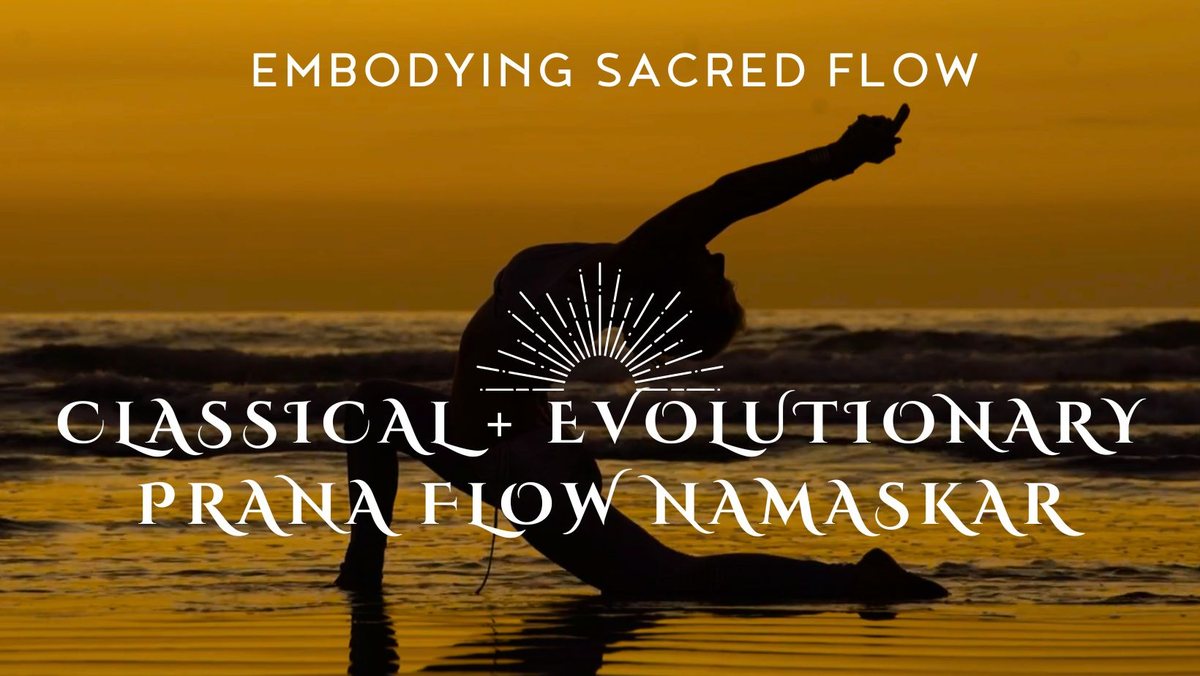
Enjoy the first online module that corresponds to the Embodying the Flow/Mandala of Asanas Teaching Empowerment Process.

This online course is an archived self-guided-collective study. This self-study guide is for teacher trainees and Prana Vinyasa teachers who want to refine their embodiment, rhythm, flow, and integration of the roots and evolution of prana flow namaskars.

This is the heart of Prana Flow as they are the foundational pathways that unfold into the 40 Prana Vinyasa namaskars.


We have three main goals in our process:


1) greater embodiment in the asanas and in the flow of namaskars
2) greater empowerment and integration for teaching classical and prana vinyasa namaskars
3) greater integration of solar-lunar practice & meditation to support our life

May we more deeply embody the art of namaskars to more fully transmit the art of movement meditation.

Enjoy your practice!


What's inside

GETTING STARTED
1 lessons
Docs

GETTING STARTED

Welcome!Make space in your week for practicing and practice teaching one namaskar several times a week. You are welcome to practice the other namaskars at anytime as well. By the end of the course, you will be familiar with classical and evolutionary prana vinyasa namaskars that are both solar-lunar for your practice, teaching and life. Art of Namaskar (Foundation) Process in a Nutshell

1) Login to the Roots Prana Vinyasa where you will see the background material and eleven solar-lunar practices. Each week we will integrate several of the classical and then evolutionary namaskars with the option to complete your "video exam" each week or as part of the last four weeks to save for certification. If you follow this weekly process you will also have completed the certification video of two rounds of each namaskar.
2) Join our facebook group online and post a picture of your home practice altar space. Here you can ask any questions during the practice. Option for feedback once a week post you teaching yourself one or both sides of the namaskar for feedback on alignment and teaching
3) Make space in your week for practicing and practice teaching the one namaskar several times a week. You are welcome to practice the other namaksars at anytime as well. By the end of the course, you will have a eleven classical and evolutionary prana vinyasa namaskars that are both solar-lunar for your practice, teaching and life.
Summary of the Purpose of the "Three-Part Vinyasa Technique"Techniques detailed in this course pertain to the ASANAS of the NAMASKARS, more 3 Part Vinyasa techniques will be coverd as you progress1. Teach alignment within the flow through the movements of prana and body patterns2. Express the movements of prana and the breathwave in a tangible way that students of any form of hatha yoga can relate to and effectively experience the benefits of moving with prana3. Connecting the breathwave with movement while "holding a pose" or "marinating in an asana" or "pulsating within a mudra"4. To transform the Newtonian-Mechanical View of the body as "material" and experience the energetic flow of the moving-breathing body and universe5. Keep the experience of breath/prana alive6. Awaken fluidity, grace, sustainability and love of being alive7. Empower students and teachers to access the inherent creativity that is available within their body in each asana and every movement.Part One: Pulsation VinyasaA Pulsation Vinyasa is a term created within Prana Vinaysa to refer to the the pulsation of the inhale and exhale within the key action of an asana. The pulsation is the most primary vinyasa - the primordial pulse that is expressed in every cell and in the rhythm of our breath.Purpose:1. teaches the basic flow of the bandhas as the interaction of the grounding (apana) and rising (udana-prana) force develops mula and uddiyana bandha within asanas2. as a natural and effective experience of body sup- port and sustainable power brings an understanding of weight-bearing and distribution of weight and prana through the entire body by learning to not collapse the body in the joints with gravity but to develop the buoyancy of the bandhas develops a natural feeling of buoyancy in the joints3. develops an embodied relationship to the primary pulse of the movements of prana in an ongoing experience (like a heartbeat) that is always present waiting to be related to.4. gives students an experience of the inner pulse and in doing so develops a greated internal connection and participation in the flow of yoga within their own experience.Best Applications:* Pulsing in the base of the pelvis (mulabandha) in "bent-leg standing poses" such as Vira I and II and lunges; this pulsation teaches* In Downward Dog: there are pulsations from the feet to the upper body which are very useful in helping be- ginners to teachers begin to experience a dog that moves and breathes and is not frozen!* In all thoracic spine openers such as anahatasana, pincha mayurasana with arms against the wall and in downward dog to open the upper body. This is one of the greatest discoveries for me in teaching men and people with "stiff upper bodies".Be Aware:* Pulsation is not bouncing but a movement with the flow of the breath and bandhas* Pulsation is not a great tool for intense balancing poses such as Vira III or Parivritta Padangustasana but can be useful in Baksana (crow) or even Vrksasna (tree). Bent-Knee (apana-udana) Pulsation Vinyasa -Purpose: the bent-knee pulsation helps awaken "pada bandha" or the connection of grounding with gravity, drawing upward flow from the earth through the bones o the the pelvic-yoni core, spine and whole body.Example: (Tadasana)Exhale: Bend your knee and press down through the four corners of the feet. Feel the receptivity through the downward flow of apanaInhale: Stay connected to apana as you begin to feel the upward rising energy of udana through the bones of the inner leg.Exhale: Bend your knee again and feel the natural connection to the earth ...  Mula Bandha PulsationPurpose: activates mulabandha (at the pelvic floor/yoni) as the seat of uddiyana bandha.Example: High MalasanaExhale into Pada Bandha pressing down through the four corners of the feetInhale: feel the energy rise up through the bones and inner legs to the seat of mula bandha in the pelvic floor for men and all the way through to the yoni canal (cervix) for women.Exhale: Feel the buoyancy through the hip joints as your ground your tail bone towards the earth (with the public bone slightly back for depth in the hip joints) and feel apana gravity reconnect to the earth. Continue the pulsation with the breath flow feeling greater and greater sustainability, power and openness in your hips, inner thighs and legs.Best in: High & Low Malasana, Vira 2, Vira 1Samana / Vyana Core PulsationPurpose: to activate the core pulsation from the center through the core or pelvis or heart region and increase awareness of samana and vyana vayu.Example:Inhale or Exhale: Draw energy to the coreInhale or Exhale: Radiate out in all directions put primarily from the roots to the crown or hand to hand (in a mudra vinyasa)Best within: Four Movements of Lunge™, Vira 2, Plank, Downward DogCore Pulsation Example: Four Movements of Lunge™:Expresses the Movements of Prana: samana, vyana, apana-udana, pranaThe four movements of lunge is the technique within Prana Vinyasa to connect to the alignment of all bent knee asanas to the distribution of prana from the pelvis to the legs in four energetic directions including a fifth as the extension through the heart/crown of the head.The breath movement is:1) inhale coil and activate uddiyana bandha and2) exhale four movements of lunge.3) including a fifth movement of extending trough the heart or crown (vyana vayu endpoint) when experienced with the hands down in lungeTeach the first two movements together with the exhalation and then add the third and fourth movements. There is also the extension of the chest as a natural backbend. Finally, express the pulsation vinyasa as an organic flow of prana like a tiger moving along the urban jungle.The breathflow is the opposite of a majariasana or cat's breath movement which is often (coil on exhale- extend on inhale). The breath flow can change but the above is best when in a namaskar or downward dog pulse as the exhale expand corresponds with the grounding, downward force of apana vayu to open the hips. This opening of the hips is best served with exhalation as well as syncopates with the movement in Surya Namaskar when the foot draws forward on exhalation, making the inhalation the natural movement in which to coil.This forms the energetic alignment for all bent leg standing poses of the Vira 1 and Vira II family.Four Movements of Lunge for All Vira 1 or Vira 2 family asanasInhale (or exhale) - SAMANA VAYUInitiation of Upward Coiling though the core"Inhale draw to the center, and coil in the navel (samana vayu) while the back heel draws inward. This activates mulabandha (at the pelvic floor/yoni) and uddiyana bandha".Exhale (or inhale) VYANA VAYUFirst Movement - Knee over exhale (shin resists)"As you Exhale draw the front knee over the ankle while resisting the front shin back simultaneously (vyana vayu) "Second Movement - press through the back heel or edge of your foot (Vira 2)"From the center, press the back heel away to fill the legs from the center (vyana vayu)"Repeat Inhale"Upward Coiling - activate uddiyana bandha by coiling from the public bone to the navel (samana vayu) while the back heel draws inward".Exhale - Apana- Prana/UdanaThird Movement - Apana - Grounding through the bent front leg"Drop the hip (top of the thigh bone) of your front leg (apana vayu) as you feel you back leg rising" (udana vayu)Fourth Movement - Prana-Udana - Rise through the backleg2.As the front hip drops, lift the underneath of the back leg upwards (prana vayu).Best Applied in lunge, Vira 1 and Vira 2Heart Pulsation  Purpose: to liberate the heart region on all levels physical - spiritExample: AnahatasanaIn downward dog,  Inhale Round through your heart as you and press down through you hands.Exhale roll your shoulders open and release your heart and spine towards the earthInhale Draw your lower ribs in and let the back of your heart breathe...Side Waist PulsationPurpose: to free the side-gills where we used to breathe from as ocean creatureExample: ParighasanaExhale relax your upper side towards the earthInhale roll your heart open from the bask side waist to the navel to the skyExhale Coil into yourself tenderly...Waving Spine PulsationPurpose: to liberate the organic nature of the spineExample: UttanasanaInhale feel a drawing inward through the heart and pelvic coreExhale feel a wave that ripples and lengthens through your spinePelvic Tilt PulsationPurpose: to sensitize the pelvis to the energy of the earth.Example: High Anjaneyasana - CrescentExhale tilt your hips back and feel your hips deepenInhale feel your tailbone drop as you align your pelvic floor to the earth  Pada PulsationsPurpose: to awaken the connection and aligngment through the feet Example: lifting / lowering heels, ie. Adho Muka Svanasana or feet side to side, ie. PlankasanaInhale Lift your feet towards the sky all the way through your bones to the core of your pelvis.Exhale feel the back of your legs open as your heels root down.Or Inhale shift your heels to the sideExhale release your feet to the left side.Inhale coil through your center and thenExhale release your feet to the right sideNeck Release PulsationPurpose: to release the holding patterns within the neckExample: Low MalasanaExhale bow your frontal brain to your heartInhale slowly rise through your crown, opening your throat and heart region as you press your elbows against your knees....Hip/Inner Leg PulsationPurpose: awaken the specific alignment of the front leg in Vira 2, teaches this movement as connected to the feet in Pada 2 for an organic flow of prana rather than separate movements in the kneeExample: Virabhadrasana 2Exhale Slightly shift your hip outInhale From the spinning of your foot into the earth (*see pada 2), feel your front leg come into alignment with your knee over your toes, mulabandha activated and your inner thigh stretching open.Bent Arm PulsationPurpose: to connect to hasta bandha, the lifting of the weight off the wristsExample: BakasanaExhale bend your elbows to feel the connection of the four corners of your hand into the earthInhale feel the rising energy up through your arms as you straighten your arms (the best you can) and draw energy into your corePart Two: Body Vinyasa A body vinyasa is a vinyasa using limbs: arms, legs, torso with the flow of breath to highlight energetic alignment and awaken the movement of prana.Best Applications:* Arm movements in standing poses and lunges* leg movements when the one leg is extended in the air* torso movement in twists and thoracic spine openersBe Aware:Body Vinyasas are always to enhance the alignment and integration within the integrity of an asana. Moving arms and legs from creative ideas that do not arise naturally from the form and function of an asana creates "disco yoga" - save that for the dance floor.Purpose:1. Teach alignment in the flow using one's limbs: body, legs, torso to embody the key actions, polarities and different qualities inherent with the mudra of an asana.2. highlight "unity of opposites" through the movements of prana by moving that part of the body part to create a holistic a connection and feeling of pranic movement inside the body.3. Create a greater sense of opening or releases to areas that feel held or stuck.4. Enhance breath flow while in asana Lower Body VinyasasSamana / Vyana (knee to navel)Purpose: Align the body with expansive action of Vyana and the contracting action of Samana, teach the relationship between Vyana / Samana (coil in to radiate out), access power and sustainable connection to the bandhas, bring a "sun-like" lightness to the core and limbs, teaches initiation of movement from a deeper level of prana.Example: PlankasanaInhale - activate a coiling in your core that brings your right knee to your navelExhale- radiate your right leg back extending from your corePrana / Apana (single leg lift)Purpose: Align the inhalation with rising action of Prana and the exhalation with the descending action of Apana, teach the relationship between Prana / Apana (ground down to rise up), discover the uttanasana-like hamstring opening through the supporting le, hip openingExample: Uttanasana - Urdhva Prasarita Eka Padasana)Inhale - lift your right leg slowly with your breath to the sky as your left heel roots to the earthExhale - return your right leg to the left  Arm Body VinyasasMudra VinyasasPrana / Apana Mudra VinyasaPurpose: Align the inhalation with rising action of Prana and the exhalation with the descending action of Apana, teach the relationship between Prana / Apana (ground down to rise up), shoulder and side-waist openingExample: UtkatasanaInhale - reach and rotate your arms from the base of the scapula to the sides as you draw your arms together at the topExhale - draw your hands down the mid line in Anjali MudraSamudra Mudra VinyasaPurpose: To connect with the experience of the ocean (samdura) in a universal wave motionExample: AnjaneyasanaInhale - with relaxed palms extend your arms down, out and up over headExhale - let your hands wash down your energetic beingSamana / Vyana Mudra VinyasaPurpose: Align the inhalation with expansive action of Vyana and the exhalation with the contracting action of Samana, teach the relationship between Vyana / Samana (coil in to radiate out), awareness in the extremities, connection to the bandhas Example: Virabhadrasana IIInhale - expand your arms to the sides at shoulder level;Exhale - return your hands towards centerAnahata Mudra VinyasaPurpose: Teach the relationship between Vyana / Samana Vayus, shoulder opening, chest expanding, awareness in the extremities, connection to bandhas within thoracic heart openingExample: UstrasanaInhale - extend your hands straight outwards from your heart;Exhale - reach along the horizon threading your hands under along your side bodies  Prana Mudra VinyasaPurpose: Teach the relationship between Prana / Udana / Apana, shoulder opening, chest expanding, extension through the spine, awareness of extremities, cultivates abundance of breath / Prana, up and outward movingExample: High MalasanaInhale - trace the inhalation up your spine with soft finger tips;Exhale - let your arms over flow into Prana Mudra fingers raining down beside your earsPadma Mudra VinyasaPurpose: Experience the creative expressive nature of Udana Vayu, massages the wrists, shoulder opening, freeing for the breath, mind and body, cross lateral activationExample: in seated, standing or lungeWith your breath in a free flow rhythm begin with your wrists connected, palms open, right hand pointing up, left hand pointing down. Maintain the point of connection as you circulate through the mandala of the wrist.Arm Variation-VinyasasRoot / Rise Arm Body VinyasaPurpose I: Teach the relationship between Prana / Apana, shoulder and side waist opening, extension through spine, activation through the extremitiesExample I: UtkatasanaInhale - reach your right arm over head and your left arm down by your sideExhale - slowly switch arms reaching evenly in front of you through both fingertipsExample II: ParsvottanasanaInhale - reach your right arm over head and your left arm back by your sideExhale - slowly switch arms reaching evenly across the horizon through both fingertipsEgyptian Arms I & II Body Vinyasa(elbows bending out to side & forearms meeting in center)Purpose I: Teach the relationship between Prana / Apana, shoulder opening, chest expandingExample I: Virabhadrasana IInhale - reach both arms over headExhale - draw your elbows to your shoulders at a 90 degree anglePurpose II: Teach the relationship between Vyana / Samana, shoulder opening, chest expanding, spaciousness through back of heart, connection to bandhasExample II: High AnjaneyasanaInhale - with your elbows at 90 degrees draw your pinkie finger and forearms to unite in front of your faceExhale - maintaining 90 degrees in your elbows expand your arms out from your shoulderSpiral Arms Body VinyasaPurpose: Teaches relationship between Prana / Apana and Vyana /Samana, shoulder opening, chest expanding, awareness in the extremities, massages the wrists, cross lateral activation, connection to bandhas within thoracic heart openingExample: Standing AnahatasanaInhale - both arms over head with bent elbows and palms up;Exhale - trace spirals down your side waists leading with your fingertipsGaruda Arms Body VinyasaPurpose: Teach the relationship between Vyana / Samana, shoulder opening, chest expanding, spaciousness through back of heart, awareness of extremities, cross lateral activationExample: Virabhadrasana IInhale - your right elbow over left bringing your palms to touchExhale - release to Prana Mudra hands even with the earsArm-Torso Body VinyasasSingle Arm Mandala Side-Waist Opening (Salamba & Nirlamba)Purpose: Teaches Prana / Apana and Vyana / Samana, shoulder and side waist opening, awakens muscles of side waists, extension through the spine, awareness in extremities, cross lateral activationExample: Standing AnahatasanaInhale - your left hand to your left lower ribs for stability as your right arm reaches down, around and upExhale - pull that right arm across your center as you switch sidesMandala Arm Body VinyasaArm Mandalas (arms straight & elbows bent, one or both arms)Purpose I: Teach the relationship Prana / Apana and Vyana / Samana, shoulder and side waist opening, extension through the spine, awareness in the extremitiesExample I: Parivrtta TrikonasanaInhale - reach your arm to the back and to the sky;Exhale - continue reaching to the front and to the earthPurpose II: Teach the relationship between Vyana / Samana, shoulder and side waist opening, awareness in the extremities, can teach how to enter a twist organically, cross lateral activationExample II: Ardha MatsyendrasanaInhale - circle your arm across your body over head; Exhale - follow the shoulder joint mandala into the space behind you Single-Arm Side-Waist OpeningPurpose: Teaches the relationship between Vyana / Samana Vayus, shoulder and side waist opening, chest expanding, rolls bottom ribs to sky, awareness in extremities, extension through the spine  Example: ParsvakonasanaInhale - your right arm over head wrapping your tricep towards your face;Exhale - Scan the horizon line with your right finger tips as your right arm meets your right side body Shoulder Rolls - Body VinyasaPurpose: to bring range of motion and awareness of the action of lengthening the side body (shoulders lift up), releasing the shoulders back (opens the heart region) and moving the scapula into the body (stabilizes the shoulder joints and supports the opening in the heart)Example: CobraInhale Lift your chest and roll your shoulders towards your crownExhale Release your shoulders back and your scapula into your body to feel your heart region openSingle-Arm & Leg Body VinyasaPurpose: to bring integrated embodiment to the upper and lower bodyExample: SalabasanaInhale Press into your pelvis (samana) and extend your right arm towards your crown as you reach your left leg behind you feeling those to points radiating away from your center (vyana)  Part Three: Rhythmic Vinyasa (RV)Rhythmic Vinyasa is the name for the wisdom moving dynamically between two related asanas in a continuous flow to embody the energetic alignment and cultivate the circulation of prana. This principle was highlighted in Krisnamacharya's later teachings of vinyasa and is characterized in the way that his students, Desikachar, Srivatsa Ramaswami, and Indra Devi offered yogasanas and pranayama as a unified experience. Alignment of the body was not as important as aligning with the flow of the breath. In response to the contemporary yoga world,I gave the name to the term and systemization of "rhythmic vinyasas" in order to bring more awareness and application of Krishnamacharya's principle into the static form of western yoga. In the last 25 years of teaching Prana Vinyasa the dynamic movement between asanas has increased in the yoga world but it is often fast and approporated as "reps" from a fitness model.Our intention in focusing on Rhythmic Vinyasa in Prana Vinyasa is to bring realization of the breath and bodily intelligence that arises from the pulsating movements of prana. Like the wings of a bird, rhythmically drawing in and out, there becomes a natural ritual to the flow of movement that induces meditation and and greater ease, power and intelligence within one's embodied vinyasa yoga.Rhythmic Vinyasa evolved in Prana Vinyasa with the following intention:1. To enhances breath flow in the body though movement.2. Awaken the awareness of shared key actions, alignment both structural and energetic as well as the wisdom of an oscillation of counterposes between asanas.3. Develop kinestethic awareness of bodily intelligence including being supportive, steady, and powerful as well as flexibile, regenerative and subtle throughout the entire body. 4. Allows students to find self-expression or embody an inner dance between the poses.Best Application: Standing Asanas, Backbends, Foreward Bends, Twists very rare in arm balances or inversionsNotes for Teachers:* choose a number to cycle between asanas (I almost always use three cycles) and stay with that through out your sequence. Usually, move dynamically before "staying in an asana".* In the asanas of Surya Namaskar, the asana before or after an asana is perfectly suited for RV such as ukatasana-uttanasana* In standing poses, moving between related poses in a sequence except for standing balance poses.* In Backbends, usually a flow from the starting base in the direction of the full backbend such as prostration on belly - dhanurasana - prostration (only for simple backbends)* In forward bends and hip openers, flowing from starting position or half-way position to full pose such as ardha janu sirsasana to janu sirsasana.Padasthana: Foot Patterns in Standing AsanasThe following pada (foot) sthanas (stances) underlie the movement of all standing asanas as the basis for feeling the bandhas in the feet in relationship to the earth. Dona Holleman and Richard Freeman were the first people to teach me about Pada and Hasta Bandha (I had learned about mula and uddiyana bandha from Pattabhi Jois, Chuck Miller and other ashtanga teachers). Pada One, Two are techniques evolved from my experience of bringing a more instinctual approach to the underlying pulse of prana from the feet to the earth.Principles of PadasthanaAll standing asanas have pada bandha - the connection of the four corners of the feet to the earth.All symmetrical standing asanas have ONLY Pada Bandha.All asymetical standing asanas have pada bandha within Pada One and Pada TwoOnly Virabhadrasana Two Family uses Pada Two. This is not engaged by any other standing asanas.* Pada Bandha - cultivation of apana vayu - the grounding force through the feet.* As you ground down into the four corners of the foot there is a rebound effect of gravity that travels up through the center of the arch, up the bones to the center of the pelvis.* Pada One - the activation of pada bandha for asymmetrical standing poses except Vira 2 family.As gravity grounds from pelvis to the feet, the weight of the front foot shifts from heel to ball while the weight of the back foot shifts from ball to heel. As the energy rebounds up the legs, dial the pelvis into its position according to hips open (ex: triangle) or hips square, ex: Vira I.* Pada Two - the activation of pada bandha found in Vira II family of poses.In the front foot, the weight flows from the pelvis to the knee, knee to heel, heel to the ball. Then spin the foot from inner to outer (big toe to little toe) to draw energy up from the outer shin to the sit bone. This action aligns the knee forward and rotates the front hip under to engage mula bandha. The back foot presses ball to heel and draws the back femur into alignment.* Vasista Pada - foot pattern found in the asana - vasisthasana Other Foot Patterns in Spaceradiating in space in arm balances and standing balance asanasPadma Pada - Flex the heel, point the toes - now radiate through ball of foot as toes flex.Parsva Pada - foot pattern of the turned foot to the side.Surya Pada - Radiate through the heels. Usually feet in the air, not on the floor (as in ardha chandrasana, half moon).

Classical Sun + Moon Namaskar
10 lessons
30:00

Pranam-Prostration - Origin of Namaskar

Practise repeated full pranams with heart-opening backbends, forward bows, Vajrasana, Anahatasana, and optional upward dog.
8:00

Classical Namaskar

Meditative Surya Namaskar cycles use Ujjayi pranayama alongside mountain pose, lunges, downward dog, cobra, forward folds, and gentle backbends.
20:00

Surya Namaskar

Practise Surya Namaskar with standing backbends, forward bends, downward dog, cobra or upward dog, Chaturanga, and solar Bija mantras.
10:00

Surya Namaskar A

Flow through repeated rounds of forward bends, plank, Chaturanga, cobra, upward dog, downward dog, and Ujjayi breathing, following the breath.
15:00

Surya Namaskar B

Surya Namaskar B flows through Utkatasana, Virabhadrasana I, Chaturanga, upward dog, and downward dog with breath-coordinated movement.
8:00

Chandra Namaskar

Chandra Namaskar flows through Tadasana, Ardha Chandrasana, cobra, and downward dog with Ujjayi pranayama, moon visualization, and breath-led movement.
Docs

Surya Namaskar

Audio

Sura Namaskar with Traditional Mantras

Docs

Chandra Namaskar

Audio

Chandra Namaskar with Mantra

Art of Namaskar - 02 - Self-Study Guide
1 lessons
Docs

Self-Study Guide

Weekly Rhythm Every week enjoy both practicing and teaching the namaskars for the week on their own or as part of the opening to your practice. Each namaskar also corresponds to the Roots Prana Vinyasa (foundation) practices. Each week, we will focus on two namaskars and in weeks 1-3 also the alignment of the key asanas of namaskars. Week One: Generating Solar-Lunar Bhavanas Prostrations, Surya Namaskar, & Chandra Namaskar Read the background section on namaskars Practice the classical namaskars with the video, on your own and with the audio of mantras; Option: post you teaching yourself one round (right side and left side) for feedback; teach your family, friends, co-workers these namaskars. Focus on the rhythm, leading with the breath cues, "Inhale...Exhale..." Try to experience Surya Namaskar with the sunrise or sunset time and Chandra Namaskar in the evening while gazing at the moon, particularly on the crescent and full moon. Week Two: Surya Namaskar A & Rhythmic Vinyasa A Review the alignment for the asanas: tadasana, uttanasana, plankasana, chaturanga dandasana, bhujangasana, urdhva mukha svanasana. After you review all possibilities and practice in your own body then integrate 3-Part Prana Vinyasa for teaching Rhythmic Vinyasa A. Option: post you teaching yourself one round (right side and left side) for feedback; teach your family, friends, co-workers these namaskars. Week Three: Rhythmic Vinyasa B and Dancing Warrior 1 & Dancing Warrior Side-Waist Opening Review the alignment of asanas for utkatasana, lunge (four movements of lunge), Vira 1 Option: post you teaching yourself one round (right side and left side) for feedback; teach your family, friends, co-workers these namaskars. Review the 3-Part Prana Vinyasa for utkatasana and lunge and practice teach Rhythmic Vinyasa B with three-rounds of all of the possibilities for utkatasana. Practice teach the pulsation vinyasa in lunge highlighting the 4 movements of prana that underlie the key actions of the base in Vira 1. Week Four: Rhythmic Vinyasa B and Dancing Warrior Hip Opening and Backbending Review the 3-Part Prana Vinyasa for Vira 1 and practice teach Rhythmic Vinyasa B with different options to highlight the Hip Opening or the Backbending. The 3-Part Prana Vinyasa should support the unique key actions and opening of that variation. Review the 3-Part Prana Vinyasas for adho mukha svanasana/downward dog and teach all of the body vinyasas and pulsation vinyasas for downward dog. Option: post you teaching yourself one round (right side and left side) for feedback; teach your family, friends, co-workers these namaskars. Week Five: Integration: Video Rhythmic Vinyasa A, Rhythmic Vinyasa B, and all four Dancing Warriors (2 rounds each) Now the week of integration. Practice all of the namaskars together and video yourself with either one or two rounds of the dancing warriors together. Make sure you use the connecting vinyasa that is good for your wrists and spine in your choice of chaturanga dandasana or urdhva mukha svanasana. Option: compile all of your videos in one file or finally video yourself teaching one complete round of each Classical Namaskar, Surya Namaskar A, Surya Namaskar B, Rhythmic Vinyasa A & B, and all four dancing warrior variations to yourself offering the embodiment as you move. You can also teach the movement and give hands-on assists to your student as a second option.

Art of Namaskar - 03 - 3-Part Prana Vinyasa Guide
1 lessons
Art of Namaskar - 05 - Prana Vinyasa System
6 lessons
Prana Vinyasa Foundation
5 lessons
Prana Flow Three Part Vinyasas
31 lessons
1:00

Bent-Knee (apana-udana) Pulsation Vinyasa
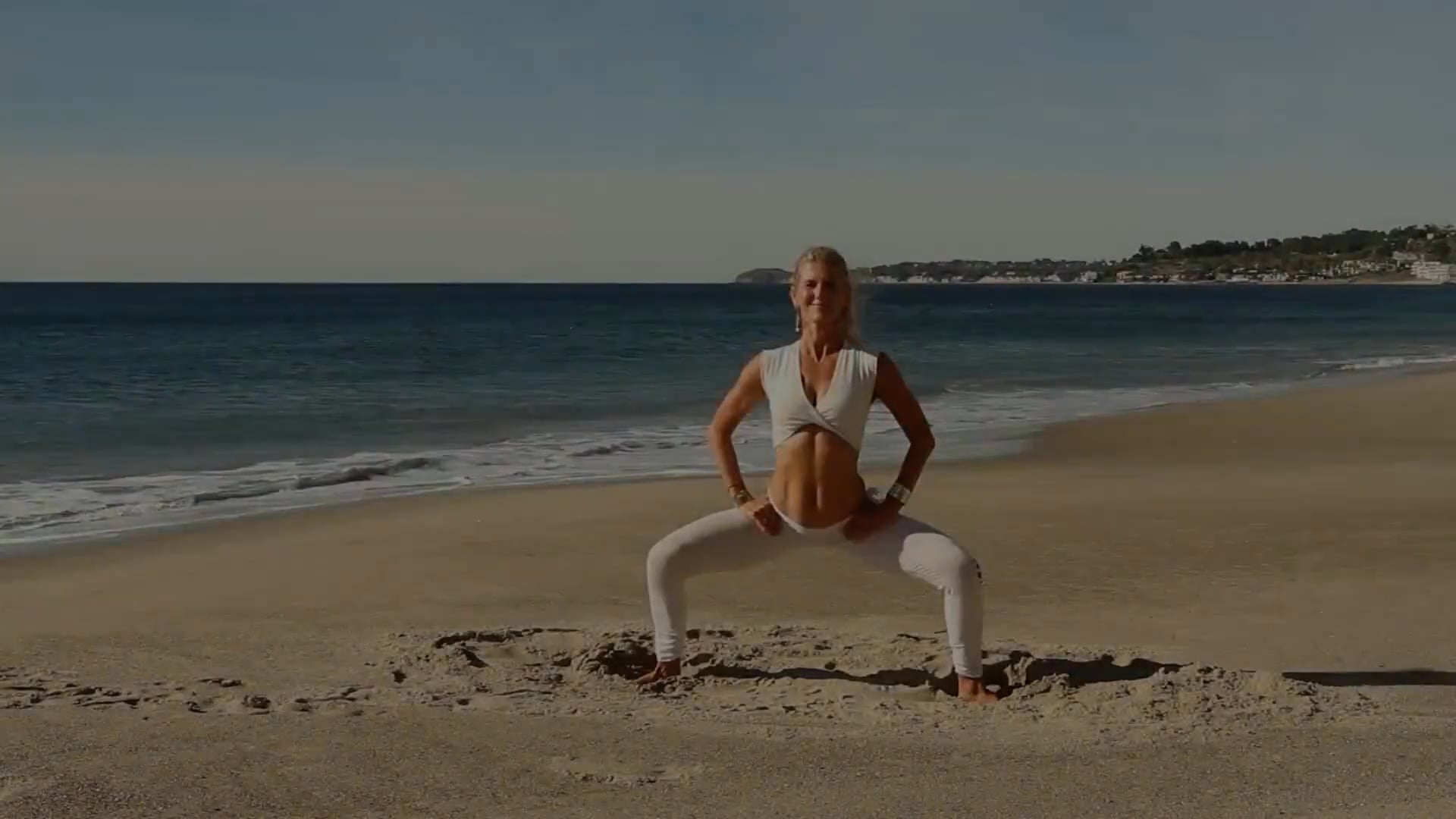
Bent-Knee (apana-udana) Pulsation Vinyasa

1:00

Mula Bandha Pulsation

This class is a pulsation practice focused on Mula Bandha.
1:00

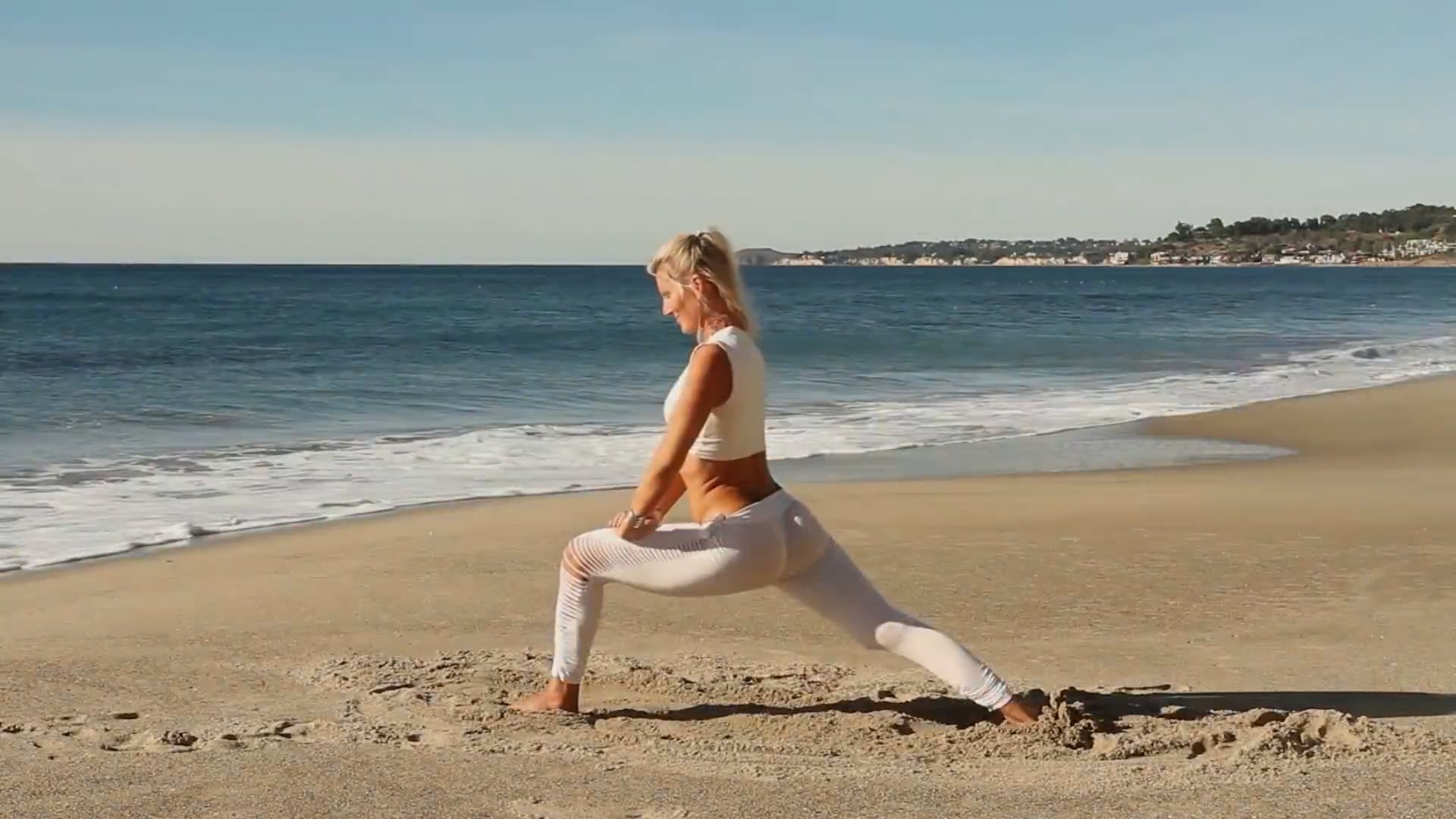
Samana Vyana Mudra Vinyasa

This class presents a named vinyasa featuring Samana, Vyana, and Mudra.
1:00

Samana Vyana Core Pulsation

This class presents a core pulsation involving Samana and Vyana.
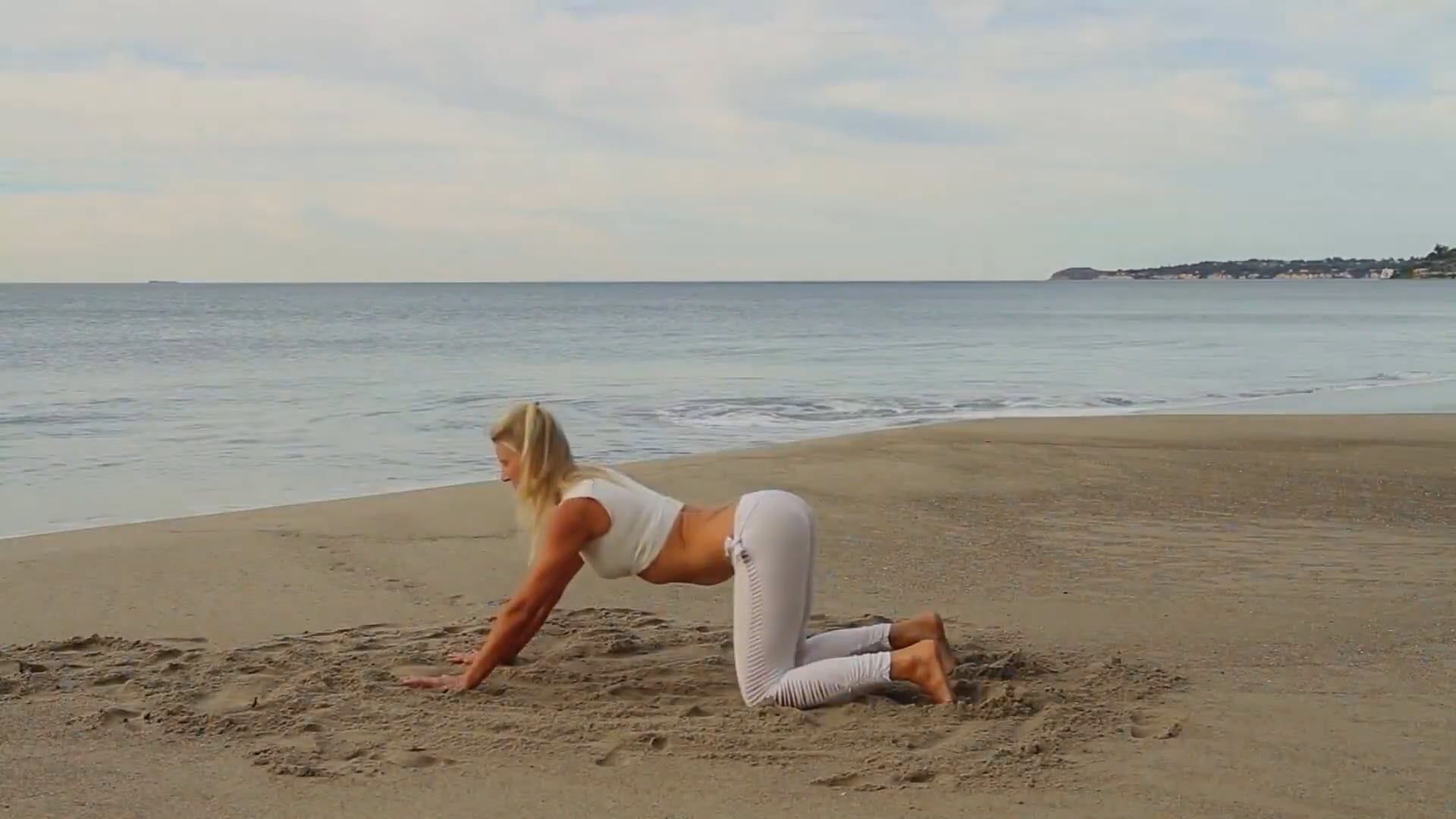
1:00

Heart Pulsation

This class is a pulsation practice focused on the heart.
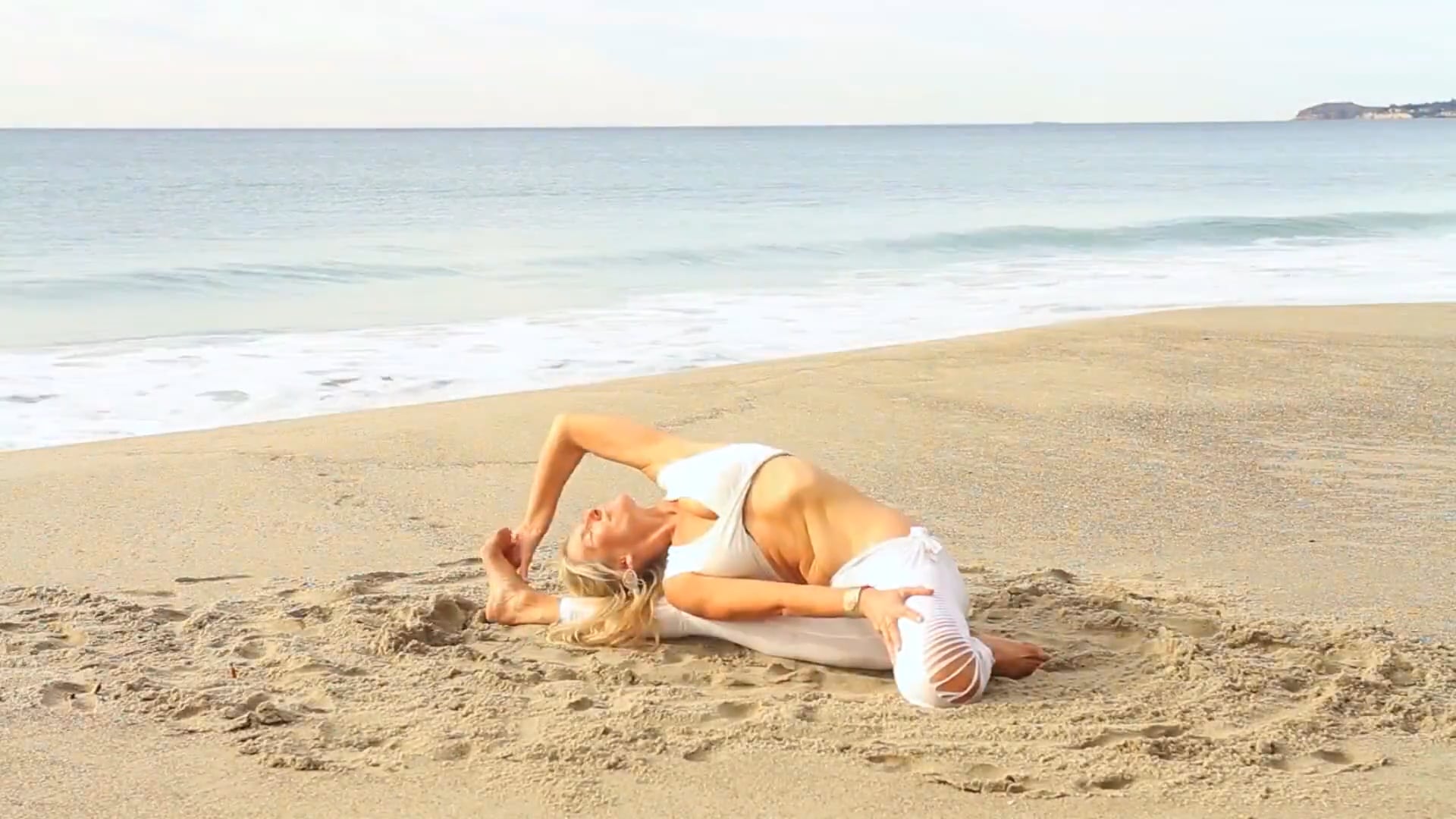
1:00

Side Waist Pulsation

This class presents a pulsation focused on the side waist.
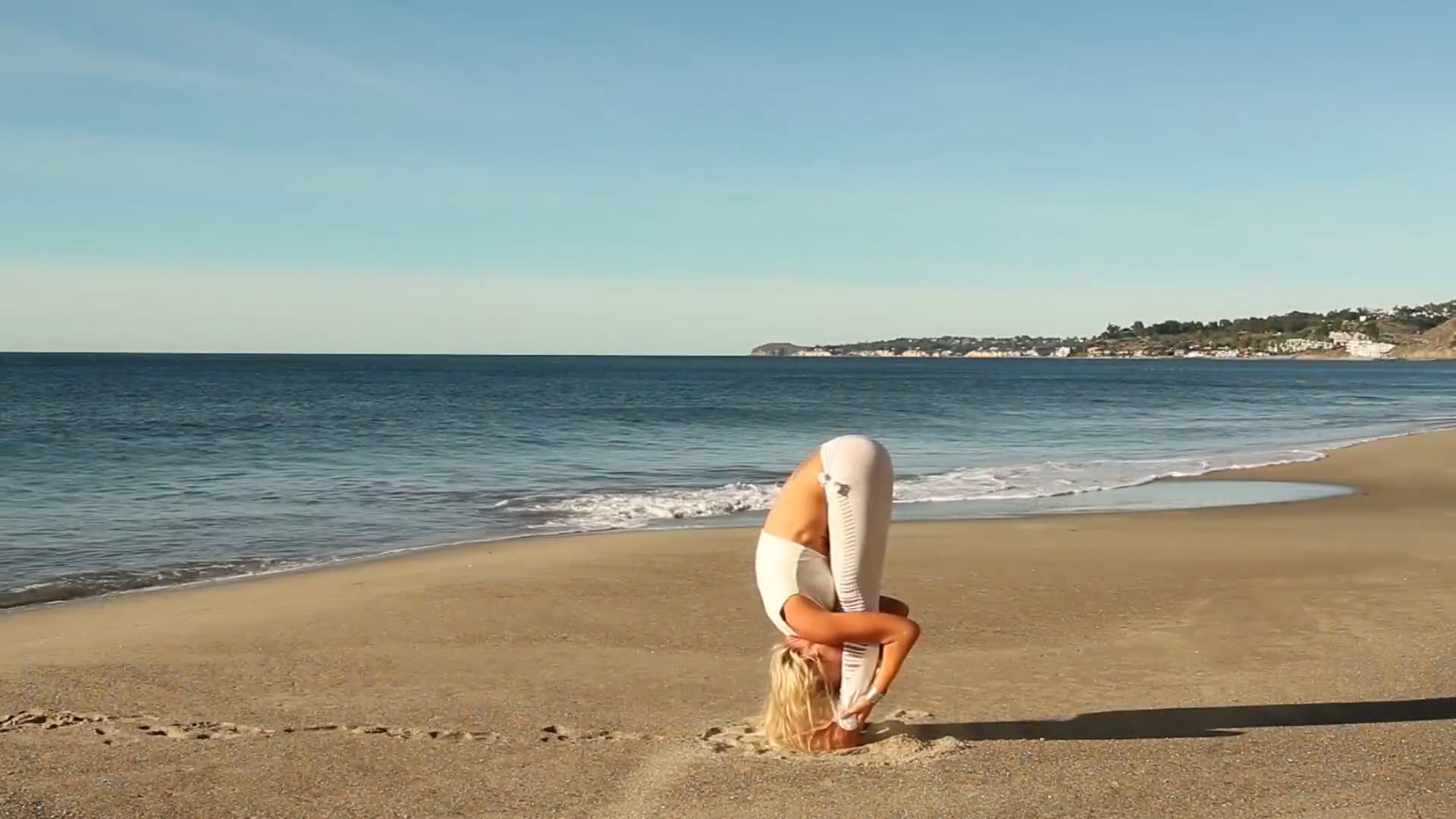
1:00

Waving Spine Pulsation

Waving spine pulsation is the movement named by this class title.
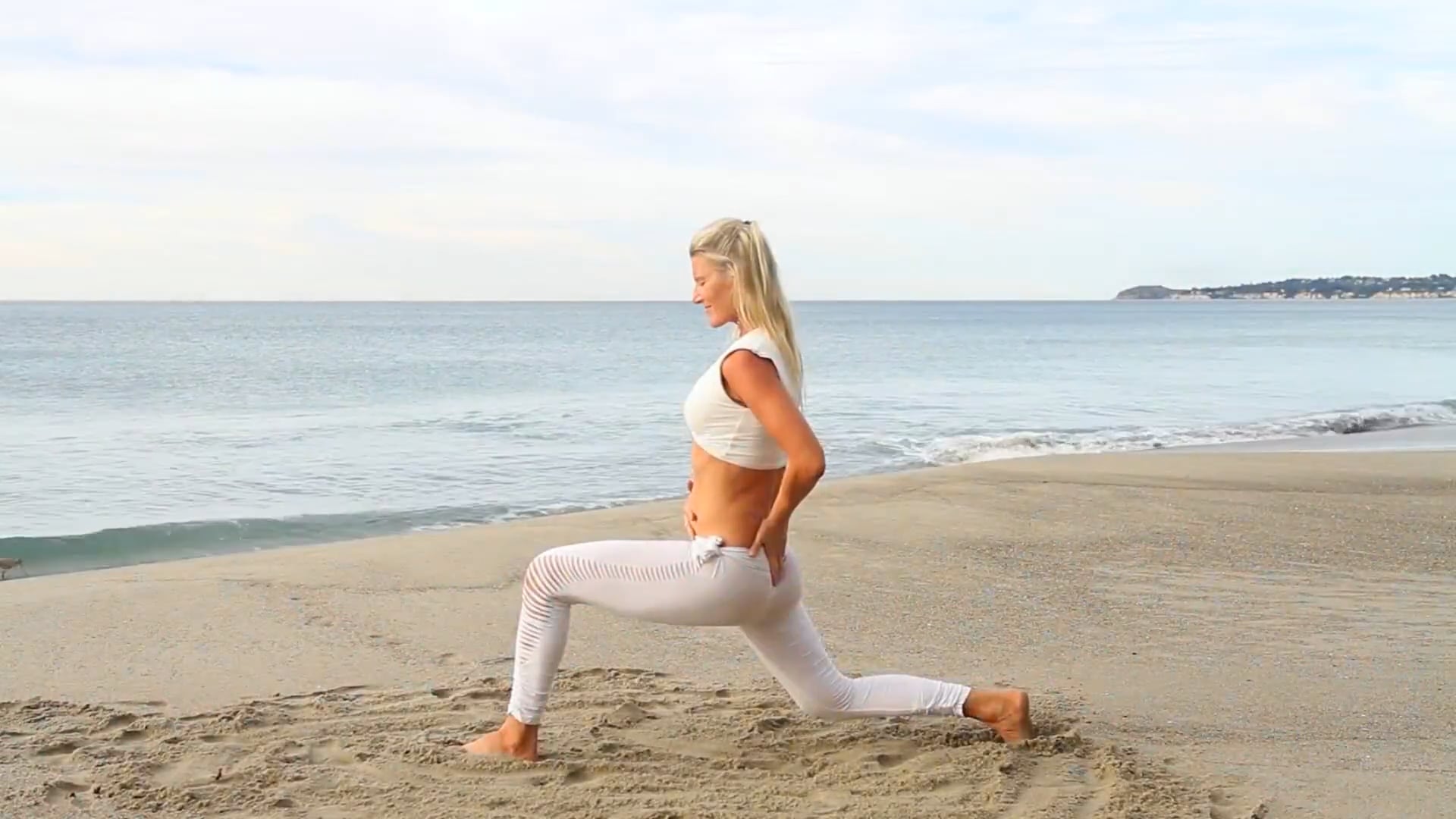
1:00

Pelvic Tilt Pulsation

This class presents a series of pulsations involving pelvic tilting movements.
1:00

Pada Pulsations

This class presents a series of pulsations focused on Pada.
1:00

Neck Release Pulsation

This class presents a pulsation focused on releasing the neck.
1:00

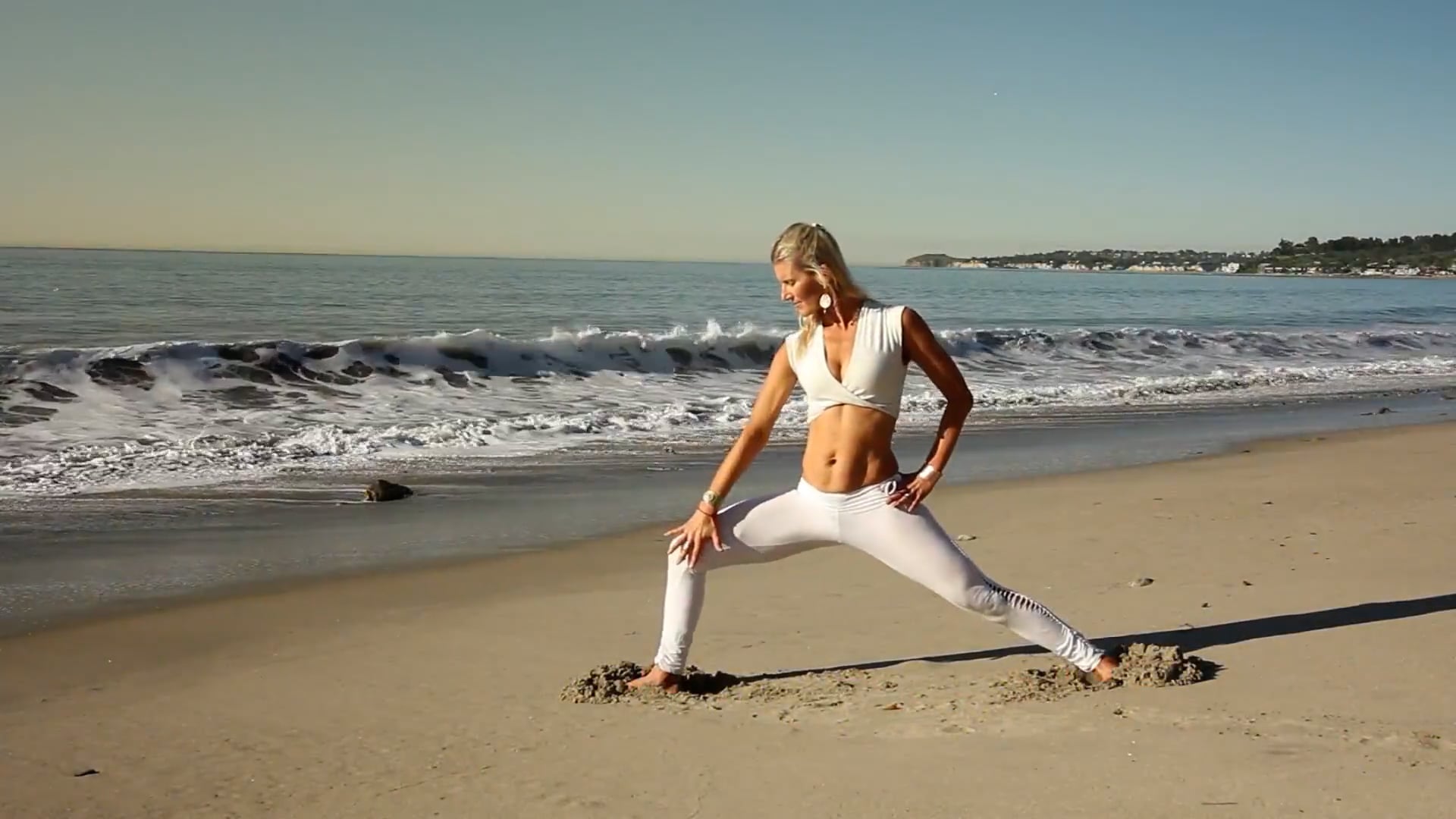
Hip Inner Leg Pulsation

This class is a pulsation focused on the hip and inner leg.
1:00

Bent Arm Pulsation

This class presents bent-arm pulsation as its named movement practice.
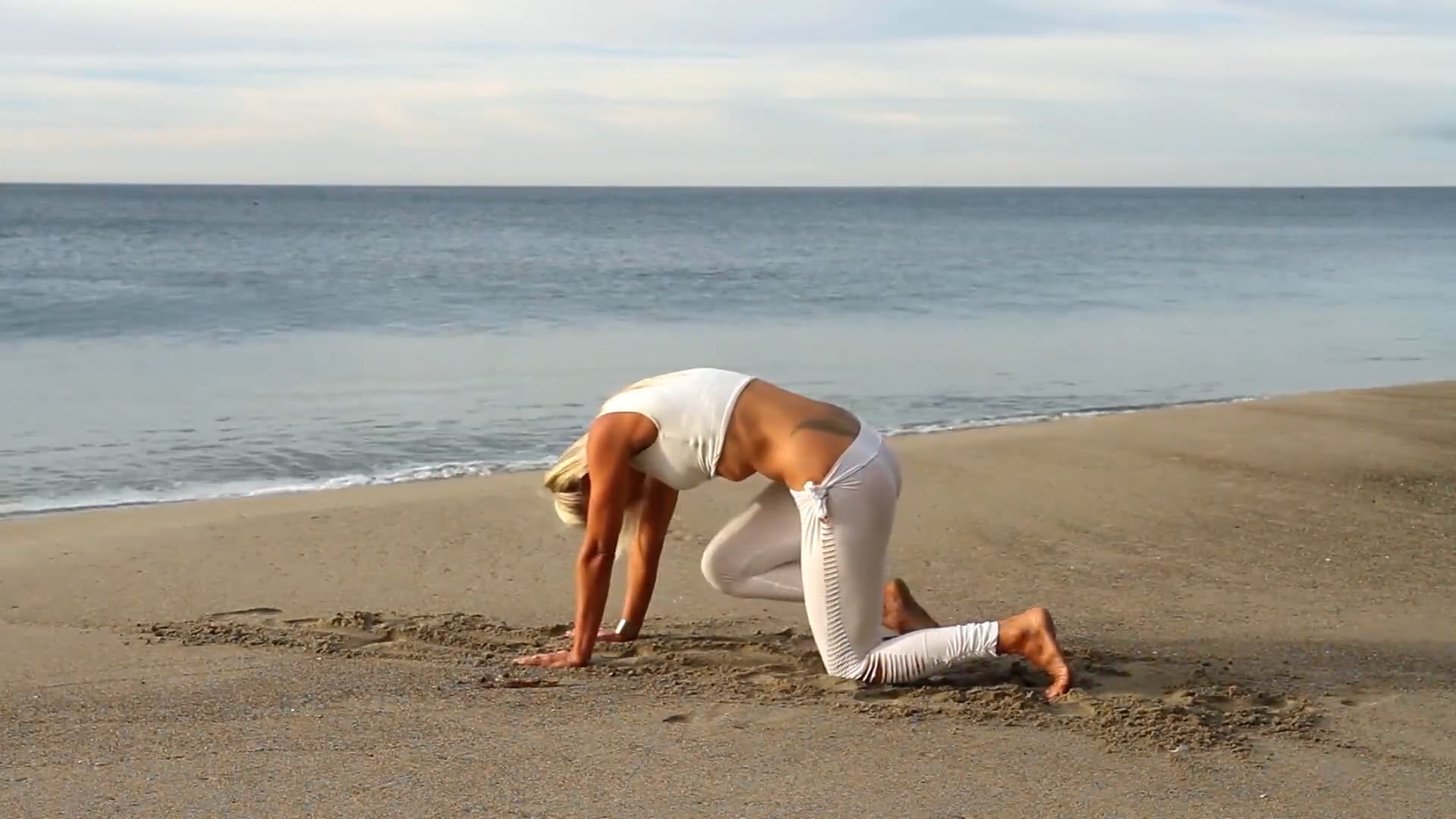
1:00

Samana / Vyana (knee to navel)

This class presents Samana and Vyana with movement from knee to navel.
1:00

Prana / Apana (single leg lift)

This class presents Prana and Apana with a single-leg lift.
1:00

Prana / Apana Mudra Vinyasa

This class presents a vinyasa named Prana and Apana Mudra.
1:00

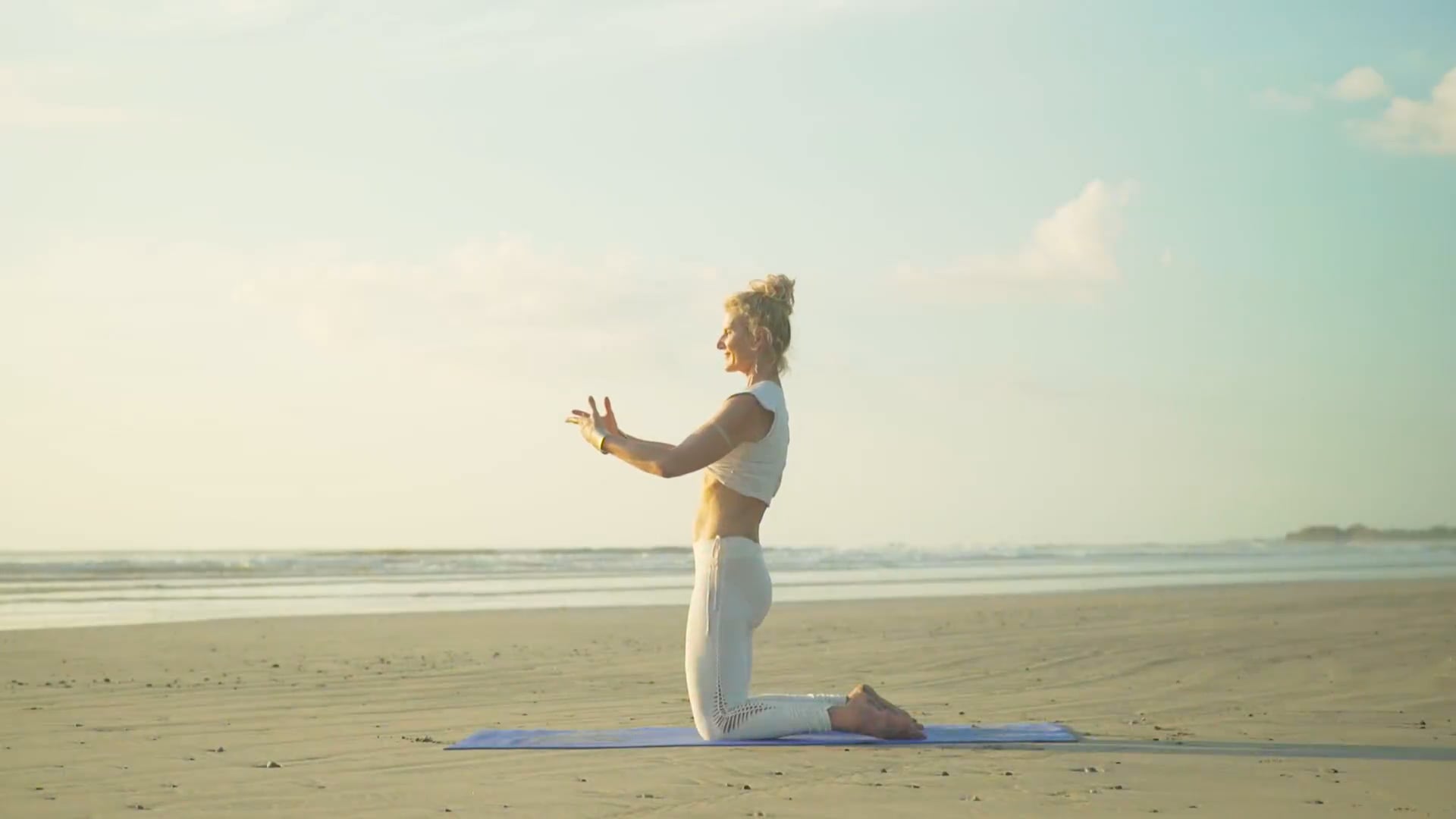
Samudra Mudra Vinyasa

This class presents a vinyasa centered on Samudra Mudra as its named movement.
1:00

Anahata Mudra Vinyasa

This class presents Anahata Mudra Vinyasa as its named movement practice.
1:00

Prana Mudra Vinyasa

This class presents a vinyasa centered on Prana Mudra as its named movement.
1:00

Padma Mudra Vinyasa

This class presents a Padma Mudra vinyasa as a named movement sequence.
1:00

Root / Rise Arm Body Vinyasa

This class presents an arm-and-body vinyasa named Root and Rise.
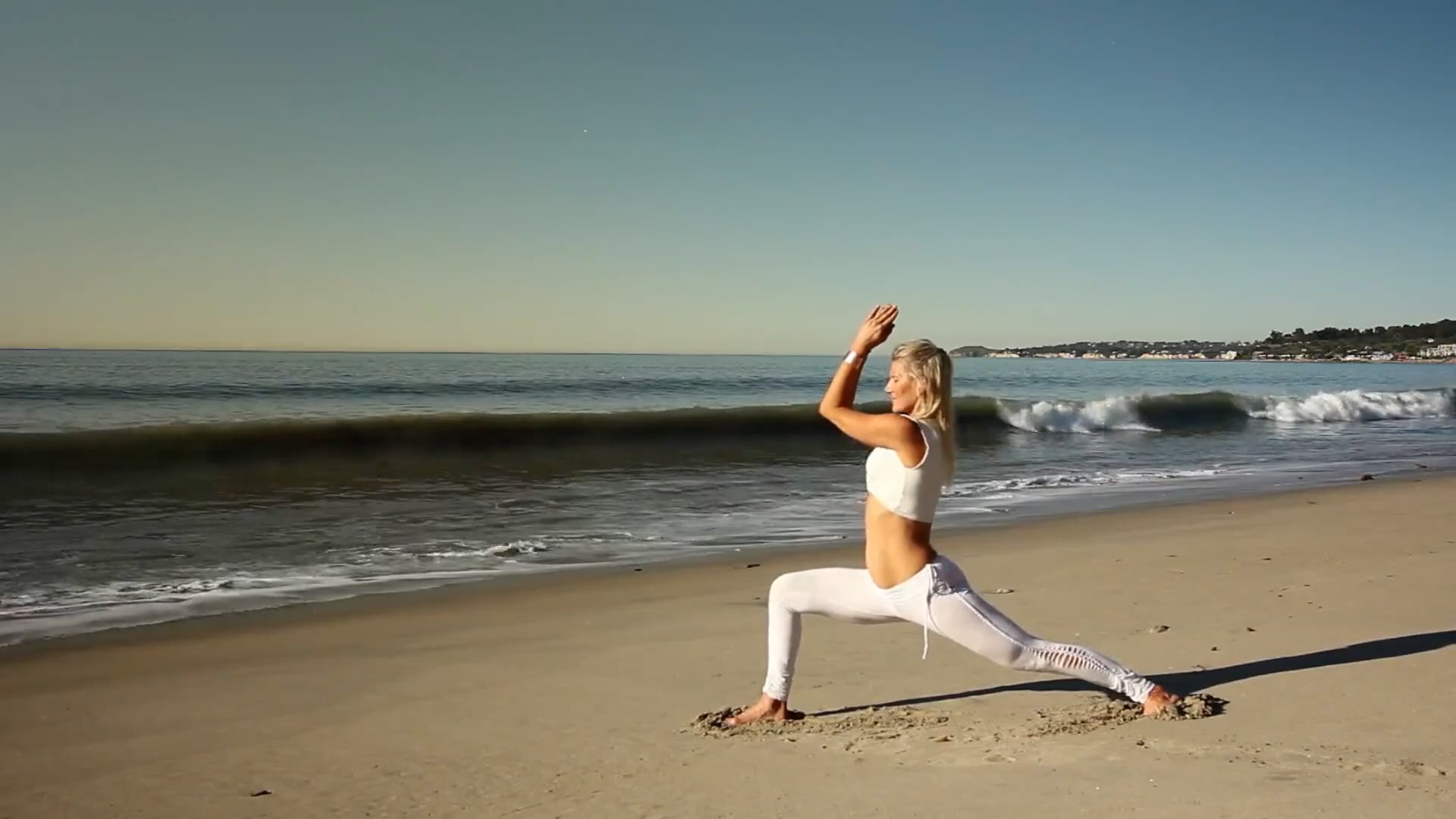
1:00

Egyptian Arms I & II Body Vinyasa

This class presents body vinyasa variations for Egyptian Arms I and II.
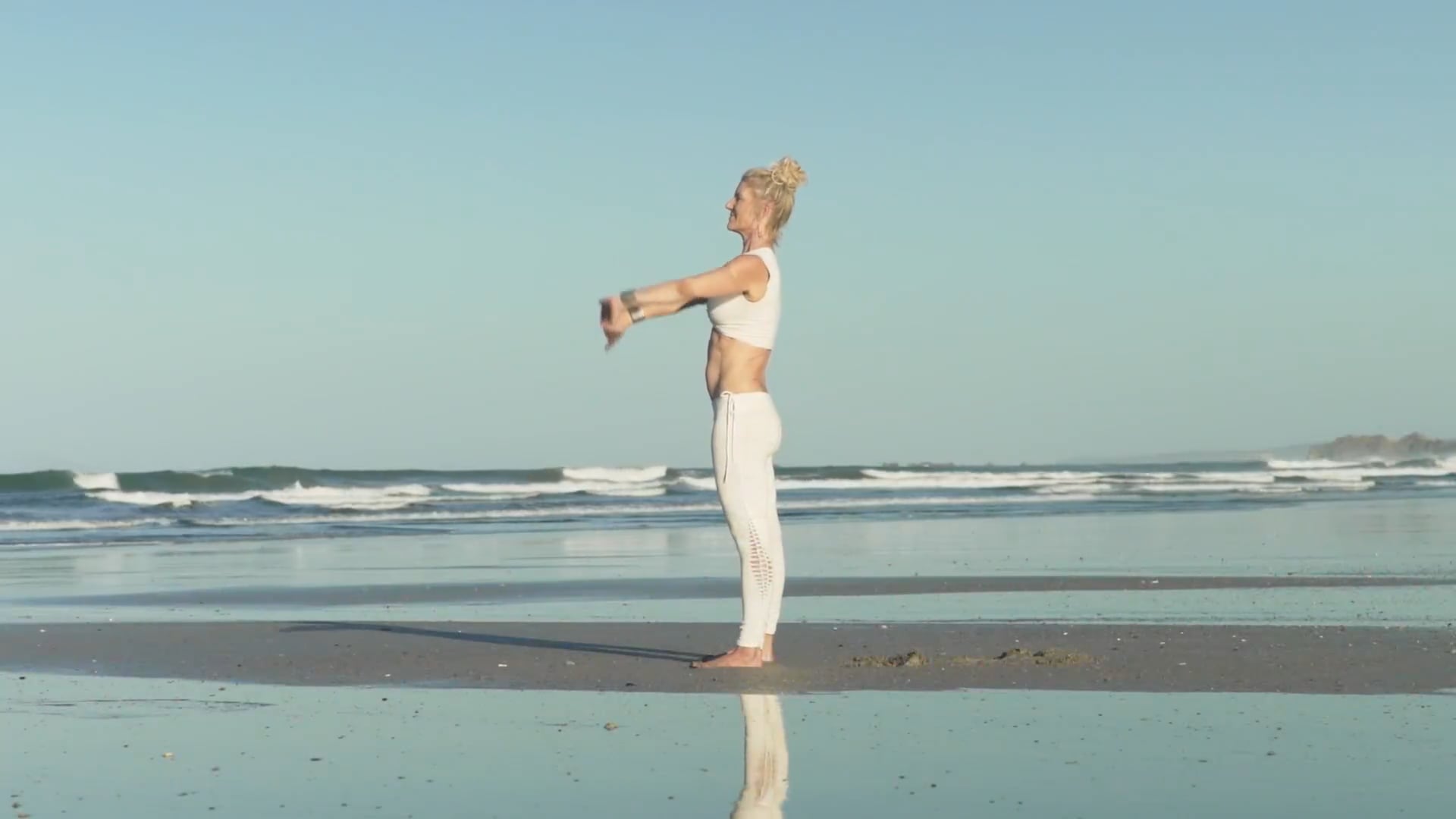
1:00

Spiral Arms Body Vinyasa

Spiral arms body vinyasa is the movement named by this class title.
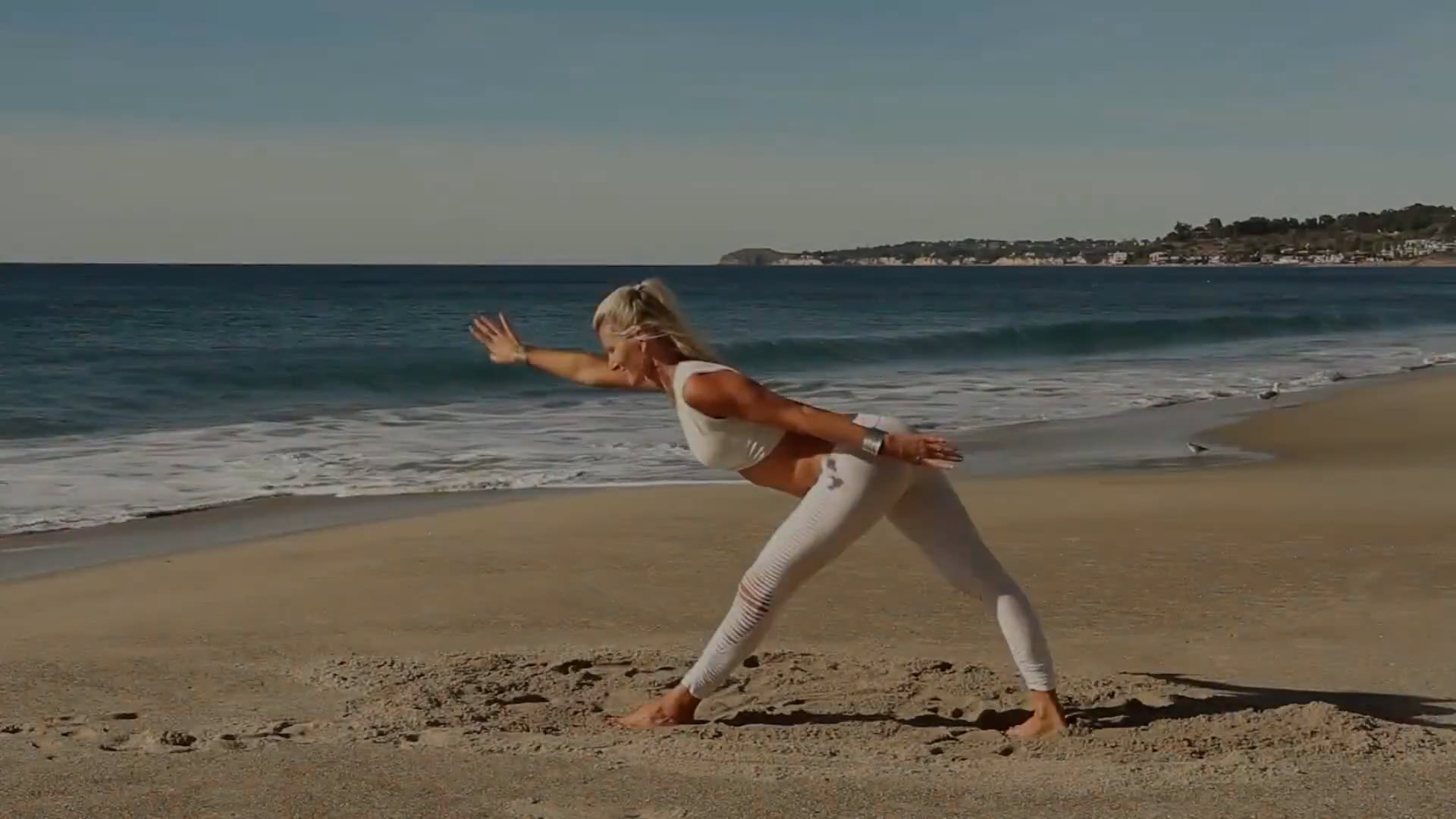
1:00

Example II: Parsvottanasana

This class presents a second example of Parsvottanasana as a named yoga pose.
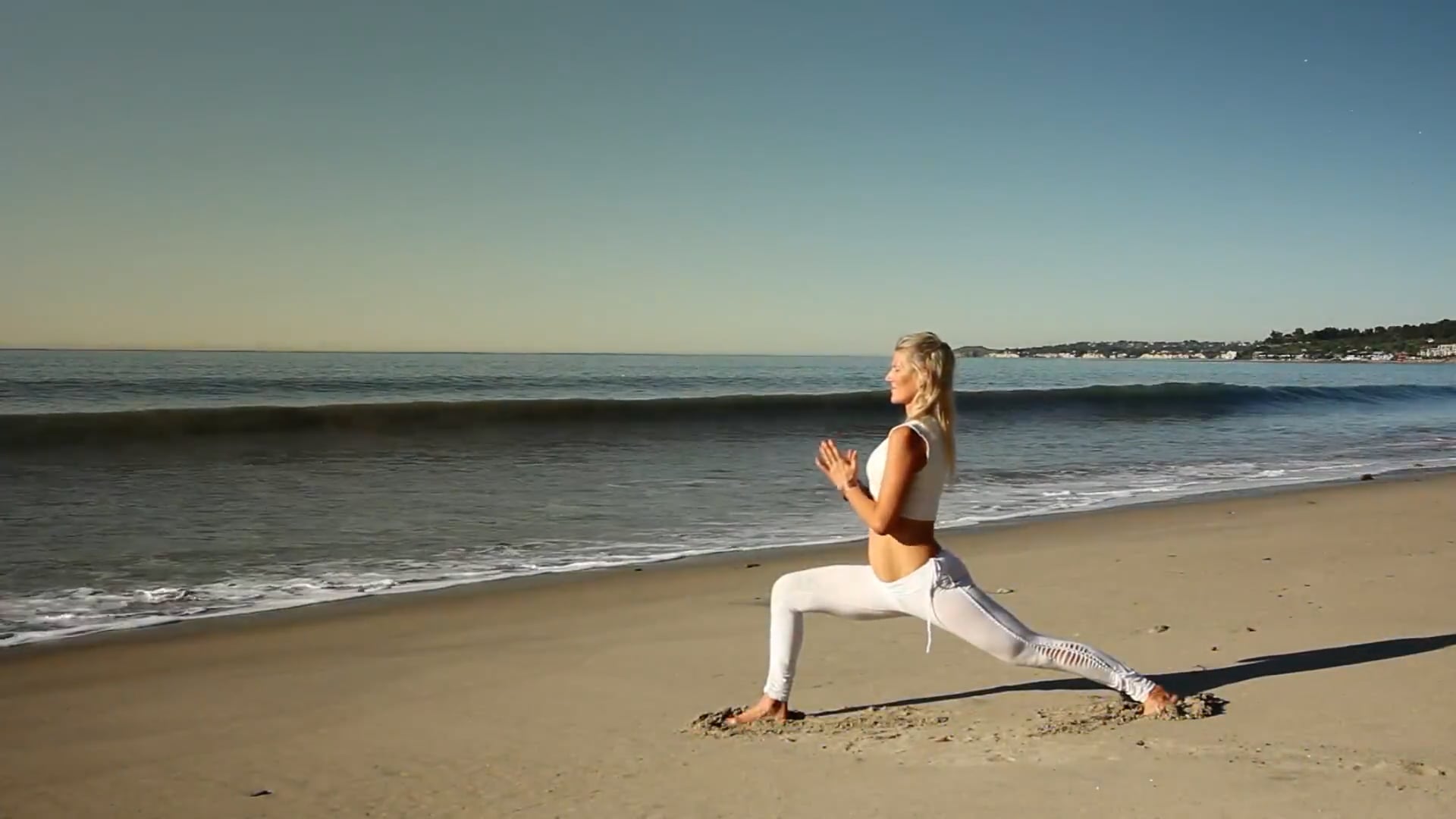
1:00

Example II: High Anjaneyasana

Class demonstrating High Anjaneyasana as Example II in the sequence.
1:00

Garuda Arms Body Vinyasa

This class presents a body vinyasa involving Garuda arms and arm movements.
1:00

Arm-Torso Body Vinyasas

This class presents body vinyasas combining arm and torso movements.
1:00

Mandala Arm Body Vinyasa

This class presents a body vinyasa involving mandala arms and arm movements.
1:00

Single-Arm Side-Waist Opening

Single-arm side-waist opening is the movement named by this class title.
1:00

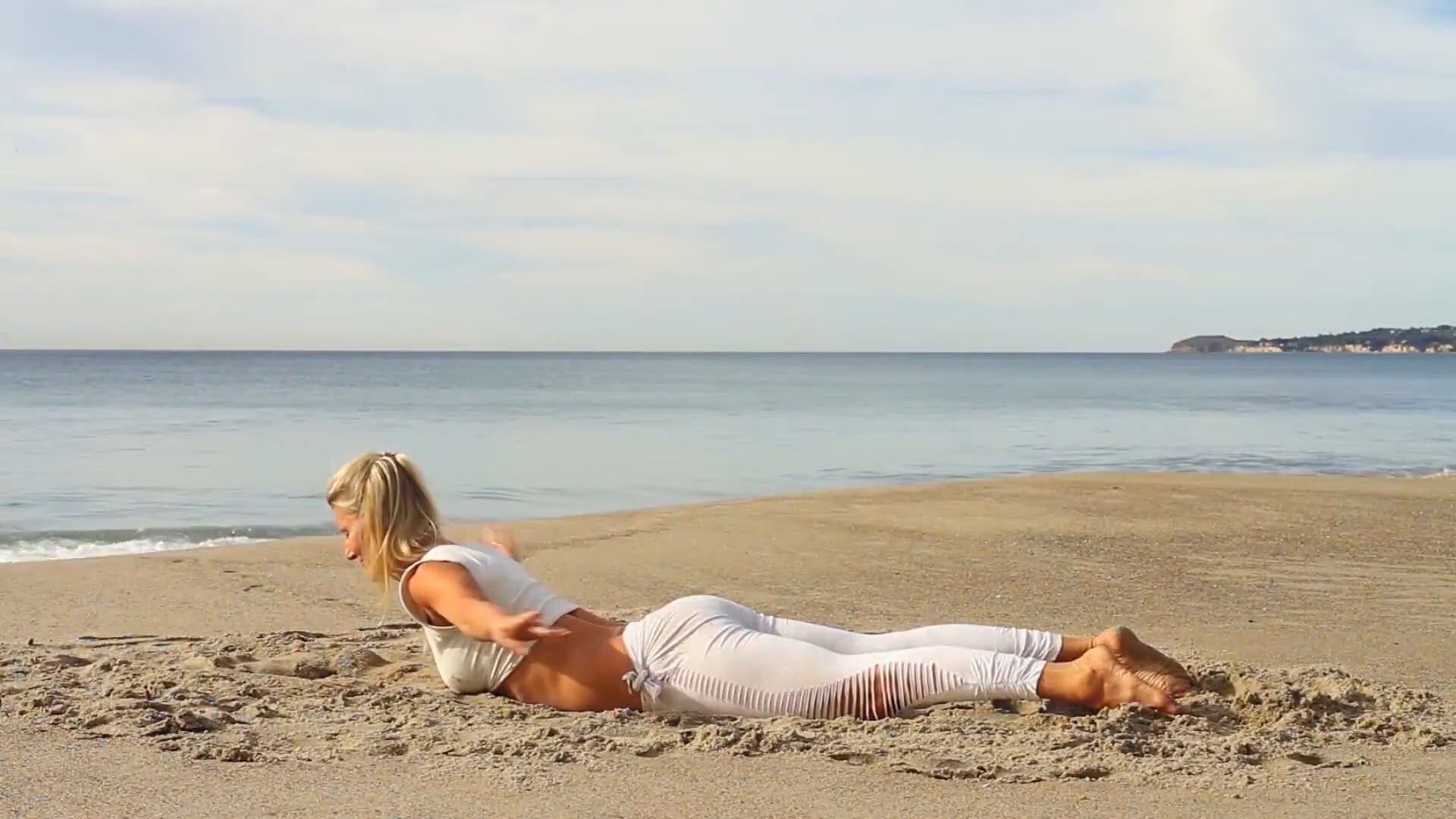
Shoulder Rolls - Body Vinyasa

This class presents shoulder rolls as part of a body vinyasa sequence.
1:00

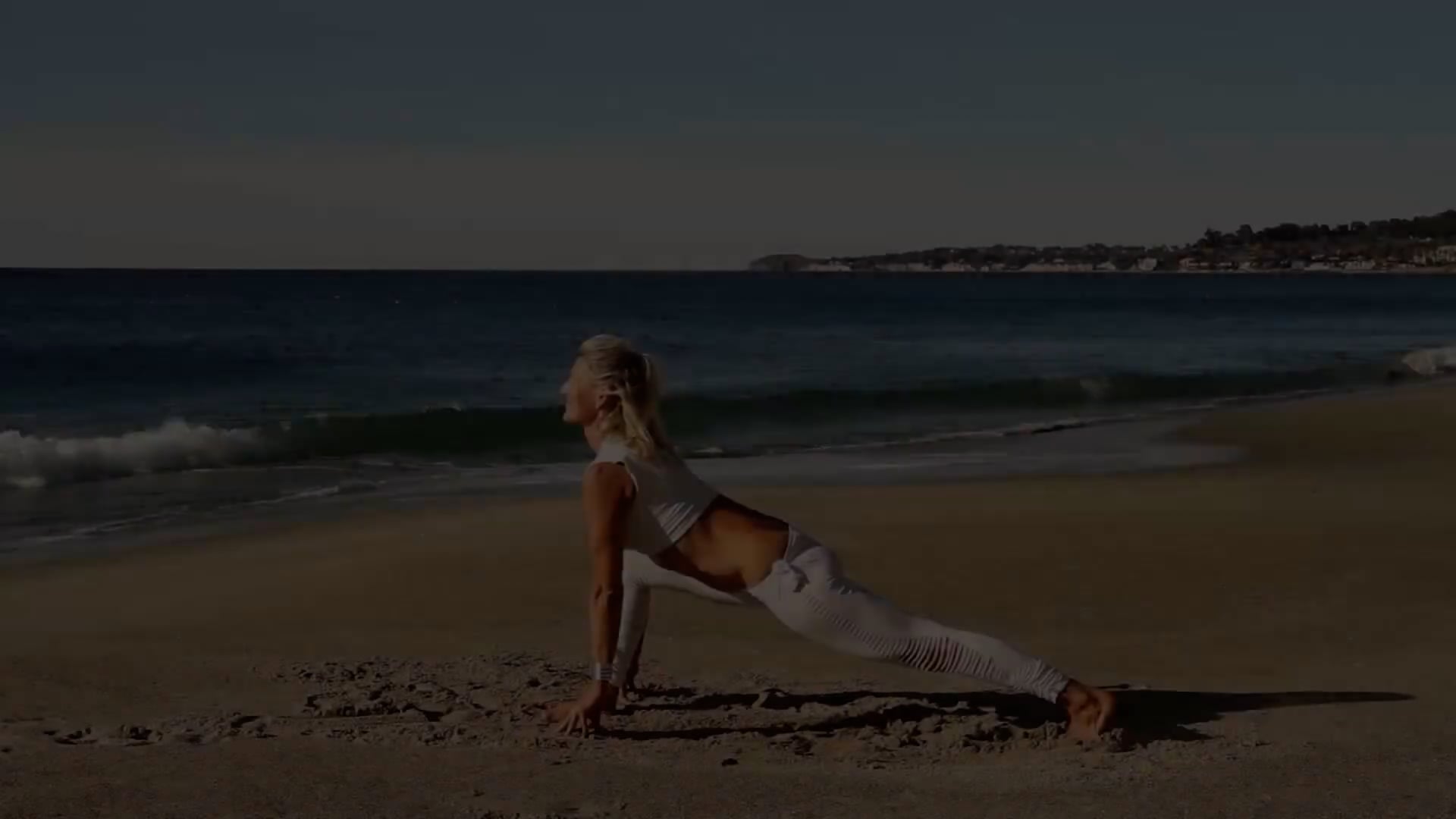
Single-Arm & Leg Body Vinyasa

Class practicing a single-arm and leg-body vinyasa as a movement sequence.
1:00

Core Pulsation Example: Four Movements of Lunge

Core Pulsation Example: Four Movements of Lunge

Register

Join Yoga Alchemy to practice this course with Shiva Rea and our global collective of teachers.
Start practicing
Start practicing
Yoga Alchemy

Living in Rhythm & Flow

Tend the heart fire

Practice with Shiva and our global collective of teachers, online.