Living Ayurveda
Ayurveda seeks to harmonize the many elemental rhythms of our life, so that we can tend the overall fire of our life force.
Just as the earth, when in balance, has immense generative and healing power, so too does the body. We must bring it into balance with its gorgeous and wise natural rhythms.

Ayurveda and the firekeeping of our vitality
Ayurveda, one of the oldest healing systems in the world, is based on a foundation of religion, philosophy, and medicine to balance the natural flow of the body for optimal health and well-being.
“Because ayurveda has long been such an integral part of my life; teacher trainings; annual ayurvedic retreats to Kerala, South India; and my study of kalarippayatu, a martial art and healing system that integrates ayurveda, I want to share that which has transformed me.”
Ayurvedic cycles of the day
In the ayurvedic system, every four hours there is an oscillation of the doshas: kapha, pitta, and vata. The transition times between the doshas occur at sunrise and sunset, and at midday and midnight.
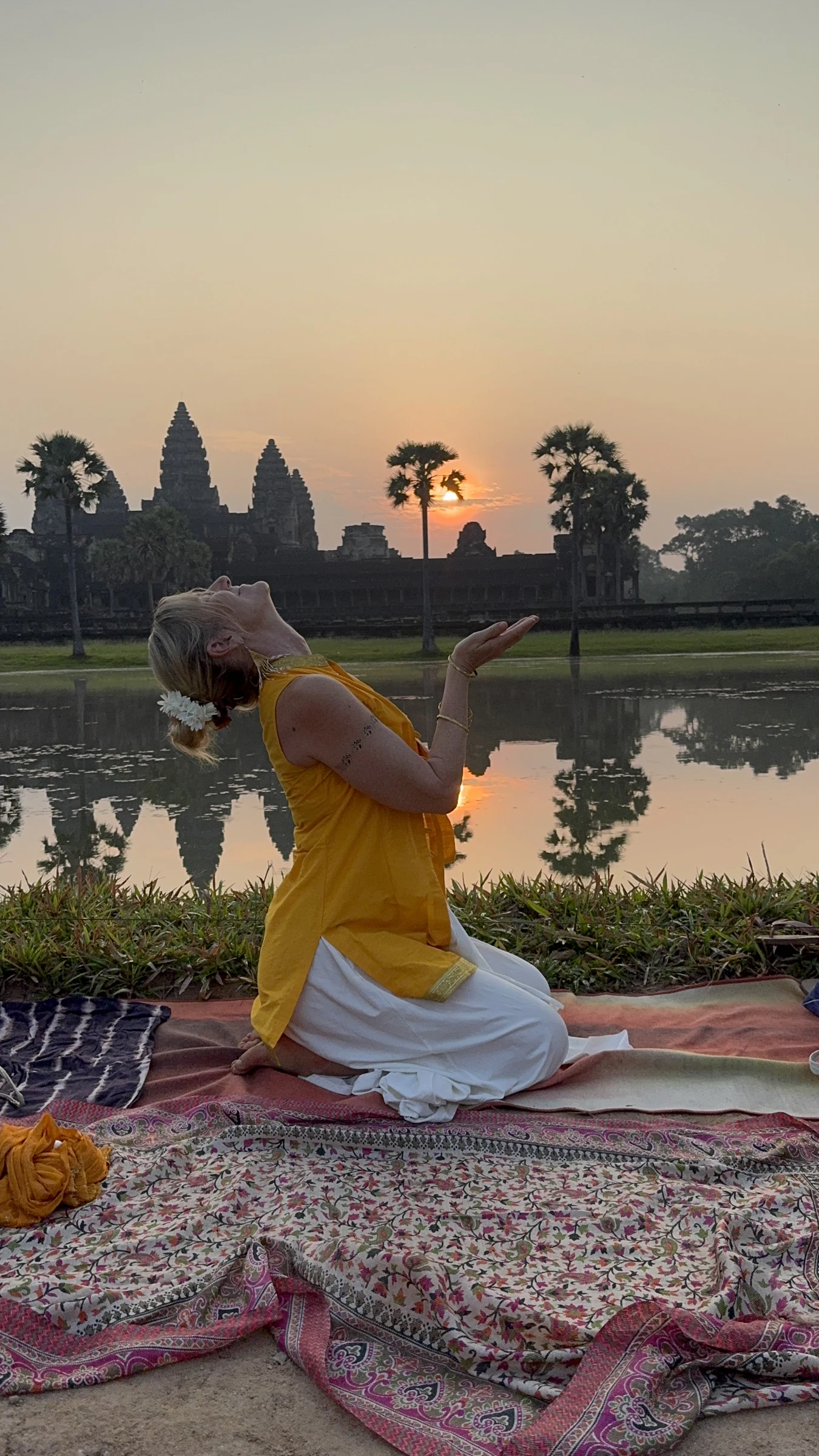
Kapha
Kapha, combining earth and water, is the binding principle and provides the building substance in the body.
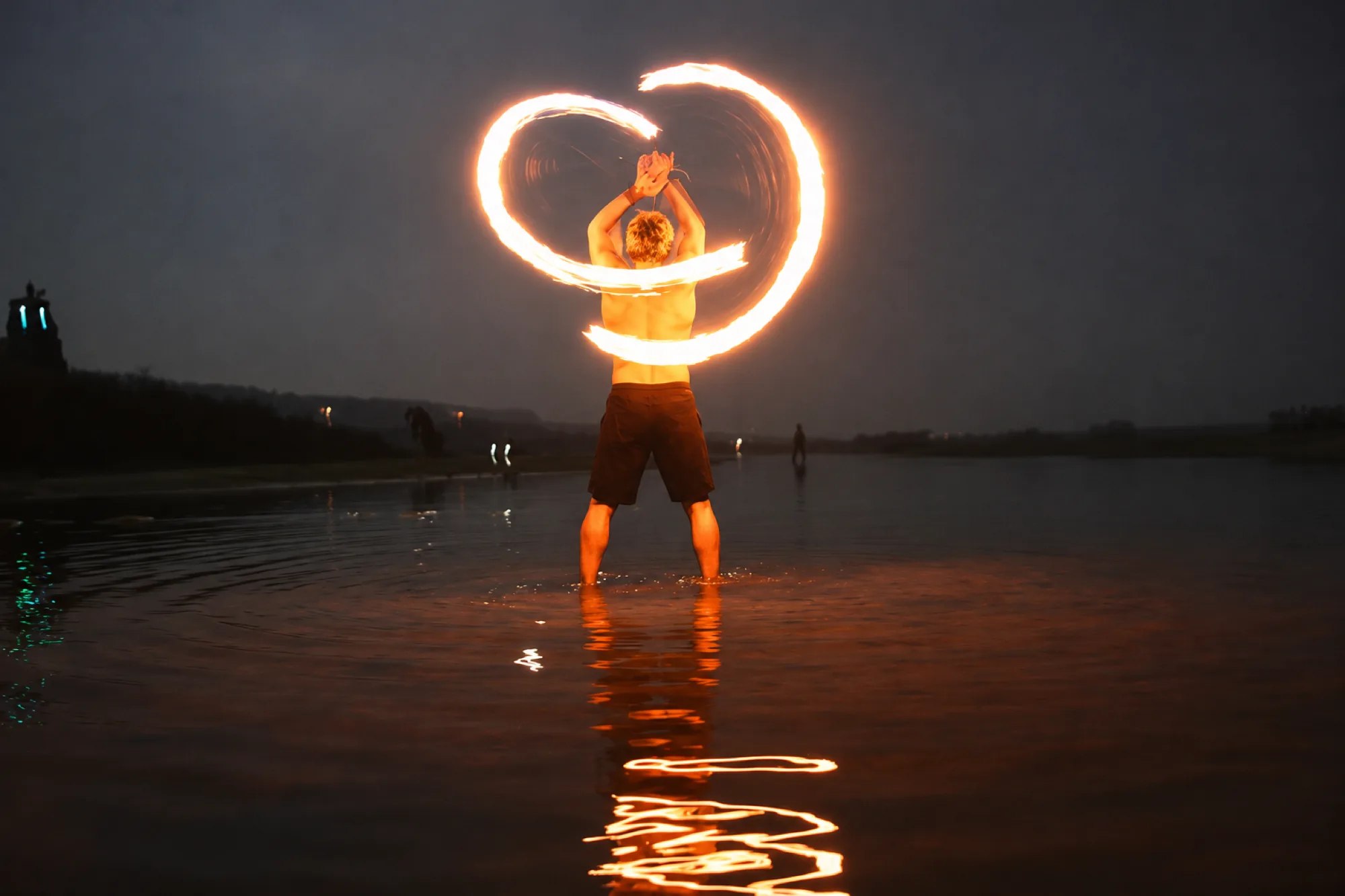
Pitta
Pitta is the fire and water element that governs all metabolic, transformative activities.

Vata
Vata, combining air and space, is the force behind all movements, such as breathing and circulation.
Balancing the fires
Samagni, or balanced fire, can be said to be the goal of our ayurvedic firekeeping practice. Cultivating samagni gives us a healthy appetite for life.
- Balanced fire Samagni
- Sustained by well-rounded practice.
- Excessive fire Tikshna agni · pitta
- Balanced by Shanti, Sringara, and Lunar practice, cultivating Ojas, and balancing Tejas.
- Dim fire Manda agni · kapha
- Balanced by Sringara, Vira, and Solar practice, cultivating Ojas while stoking the fire.
- Wavering fire Vishama agni · vata
- Balanced by Solar-Lunar practice, cultivating Prana, and Vata-pacifying lifestyle.
Rhythms within rhythms
“The secret to living flow is to see and feel your life as waves of vinyasas, rhythmic cycles, that connect throughout the flow of the day.” Shiva Rea
- I
Sunrise sandhya
Rise near sunrise. Sacred time for your yoga and meditation practices.
- II
Noon sandhya
Peak of the day. Largest meal with the strongest agni.
- III
Sunset sandhya
Yoga and meditation with the sunset. Light evening meal around sunset.
- IV
Night sleep
Giving thanks and generating love before sleep. Ideal rest time: before 10 p.m.

Unfolding in 2027
Only news about Living Ayurveda 2027, with the dates as soon as they are set.
Living Ayurveda
When does Living Ayurveda 2027 begin?
In 2027. Dates and program go first to those on the list.
Is there a certification in Ayurveda?
No. Living Ayurveda 2027 does not lead to an Ayurveda certification.
What does ayurveda mean?
Ayu means “daily living,” while veda means “knowing.” Simply put, ayurveda teaches that our bodies are microcosms of the universe.
What are vata, pitta and kapha?
Within ayurveda, the five elements are found in the three principles of vata, pitta, and kapha that govern all the activities of our embodiment. These are called doshas, or bodily humors that create our constitution (prakriti) and also can become imbalanced through our lifestyle (vikriti).
What is dinacharya?
Dinacharya and ratricharya practices offer ways to support your well-being and cultivate the rhythms of your daily life. Together they can be translated as “daily conduct” or “daily movement.”
I studied the Ayurveda Study Online Course. What changes for me?
Nothing is taken away: its five modules stay in your library, with their audio sessions and materials.
What will I receive by email?
Only news about Living Ayurveda 2027. Every email lets you leave the list with one click.